
If your project is anywhere near the Wellington coast, the choice between 304 and 316 stainless is not a small one. Here is how to decide.
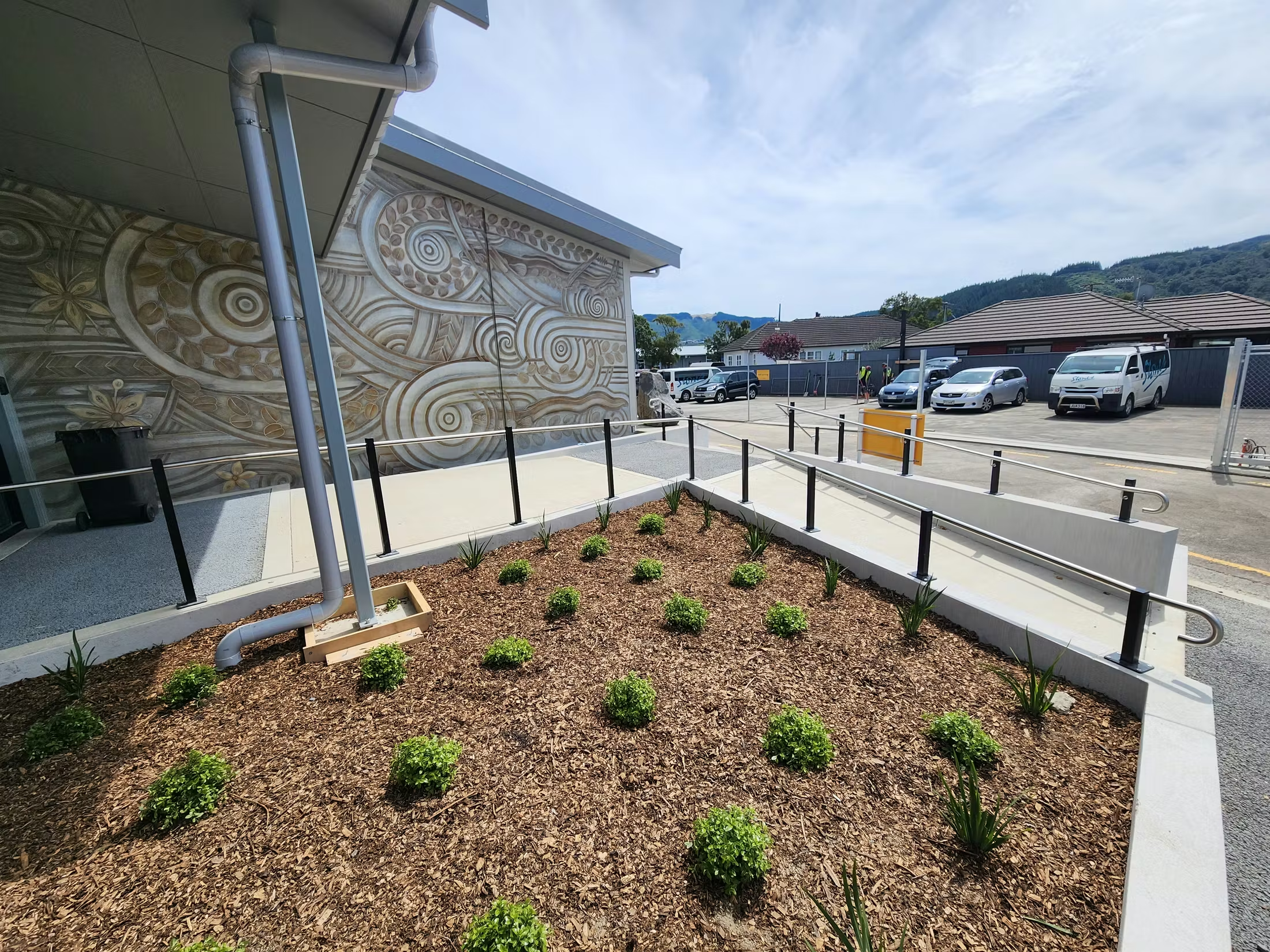
If your handrail, balustrade, or fitting is going outside, near salt water, or on a building that takes the southerly head on, specify 316. If it is purely interior and away from chlorinated environments like pool rooms, 304 is usually fine and a little easier on the budget.
304 and 316 are both austenitic stainless steels. The difference that matters in Wellington is molybdenum. 316 contains around 2 to 3 percent molybdenum, which dramatically improves its resistance to chloride corrosion. Salt in the air, salt in the splash, salt blowing in off the harbour. That is the corrosion you are designing against in this city.
Interior commercial kitchens, indoor handrails, sheltered bench tops, and fittings inside dry industrial buildings are all fine in 304. The grade is widely available, easier to weld, and slightly cheaper. For most indoor projects you will not see a real world difference for the life of the building.
Coastal homes, anything in the splash zone, balustrades on apartments facing Cook Strait, and commercial kitchens that use heavy chlorinated cleaners. The cost uplift is modest. The risk of tea staining, pitting, and premature replacement on the wrong grade is not.
Pool environments are the most demanding in this region, and they are the one place we will not tell you that picking a grade solves the problem. Chloramines concentrate in still air under a pool roof and in the splash zone, and stainless that is correct on paper can still pit and stain even where the water chemistry tests within range.
If a rail is going into a pool enclosure, ask about a fresh water rinse regime, ask whether the space is actually ventilated, and stay open to moving away from stainless altogether. Having that conversation at specification stage costs nothing. Replacing a corroded rail in five years costs a great deal.
Stainless is not always the right call. On structural steel handrails, service stairs and industrial walkways, hot dip galvanised handrails deliver a longer service life per dollar than stainless does.
If a client is unsure, we ask three questions. Is it inside or outside. How close is the sea. Will it ever see chlorine, bleach, or pool water. Two yes answers and we are recommending 316 every time, and if the answer to the third one is a pool we will want to talk about maintenance before we talk about price.
Need a hand specifying for your build. Talk to The Fabricator and we will quote it on the right grade the first time. See our stainless steel handrails and custom stainless fabrication.
Talk to The Fabricator about stainless steel, aluminium fabrication, commercial kitchens or architectural metalwork. Free site visits across the region.
Get a free quote